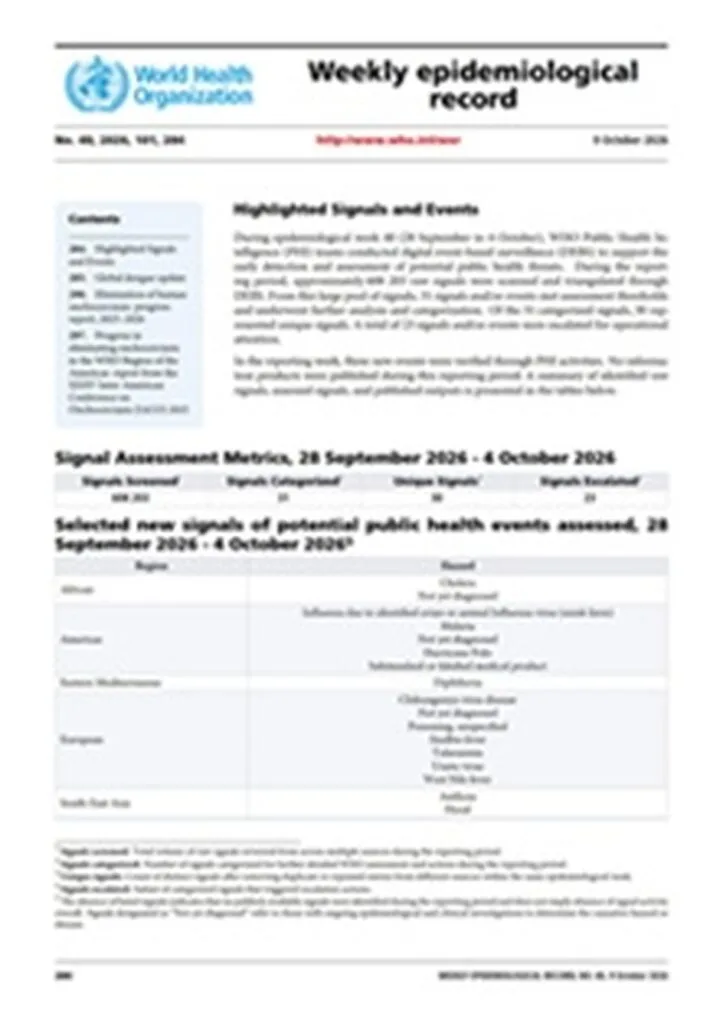
Onchocerciasis, or “river blindness,” is a disease caused by the parasite Onchocerca volvulus and transmitted by the bites of blackflies (Simulium species). Adult worms live in subcutaneous nodules; females release millions of microfilariae (first-stage larvae, L1) and these larvae cause severe itching, disfiguring skin diseases, and long-term blindness and irreversible blindness when they penetrate the skin and eyes. Early childhood exposure to onchocerciasis has also been associated with epilepsy. The mosquito that feeds on the microfilariae during its lefting bite develops them from L2 to the infectious L3 stage within 6 to 12 days and transmits them to another person with the next bite. More than 99% of people requiring treatment live in 26 countries in Africa; the rest live in Brazil, Venezuela, the Bolivarian Republic of Venezuela, and Yemen. According to information provided by the World Health Organization (WHO), there were 255.7 million people in need of preventive chemotherapy (PC) for onchocerciasis in 2025; 180.3 million of these were treated, representing a global coverage of 70.5%. This is the highest number of people treated for onchocerciasis in a single year. At the end of 2025, mass drug administration (MDA) was discontinued in 310 application units (IU) affected by active transmission, and 38 million people who had received treatment were living in areas under post-treatment surveillance (PTS); most of them were in Nigeria (28.0 million), Uganda, Ethiopia, and Mali. In 2025, 1350 of the 1665 IU requiring treatment were provided by MDA, and 92.6% of them achieved effective coverage. Angola, Gabon, and Sudan did not administer MDA in 2025; the reason for Gabon was the risk of serious adverse effects in those co-infected with Loa loa. The report from Chad was not available at the time of publication.
Coverage remained low in countries such as Cameroon (17.1%), Togo (21.9%) and Yemen (24.4%). The low coverage in Cameroon reflects the consequences of sudden changes in external financing: the MDA was planned at 123 IU with support from external donors, but this support was suspended in January 2025 after annual plans were approved. The government adopted a reduction plan, with national funds only being released in October 2025; this was too late to organize treatment before the end of the year, and ivermectin shipments were delayed until funding uncertainty was resolved. The MDA was only able to be delivered at 21 IU, with support from other partners.
Bu gelişme hakkında düşüncelerinizi, donanım deneyimlerinizi veya sorularınızı Community Forumumuzda paylaşın.























READER COMMUNITY
0 reviews
You may share your experiences; please consult a healthcare professional instead of comments for diagnosis, treatment, or emergencies.