

Blood cholesterol levels rank among the most frequently used parameters in modern medicine for assessing cardiovascular risk. However, rather than coding cholesterol as a single, uniform “enemy,” it is essential to understand the biochemical balance between high-density lipoprotein (HDL) and low-density lipoprotein (LDL). Cholesterol, which is synthesized endogenously by the liver and performs vital functions ranging from maintaining cell membrane integrity to steroid hormone production, can be optimized with appropriate metabolic strategies.
1. Lipid Biochemistry: The HDL and LDL Particle Size Reality
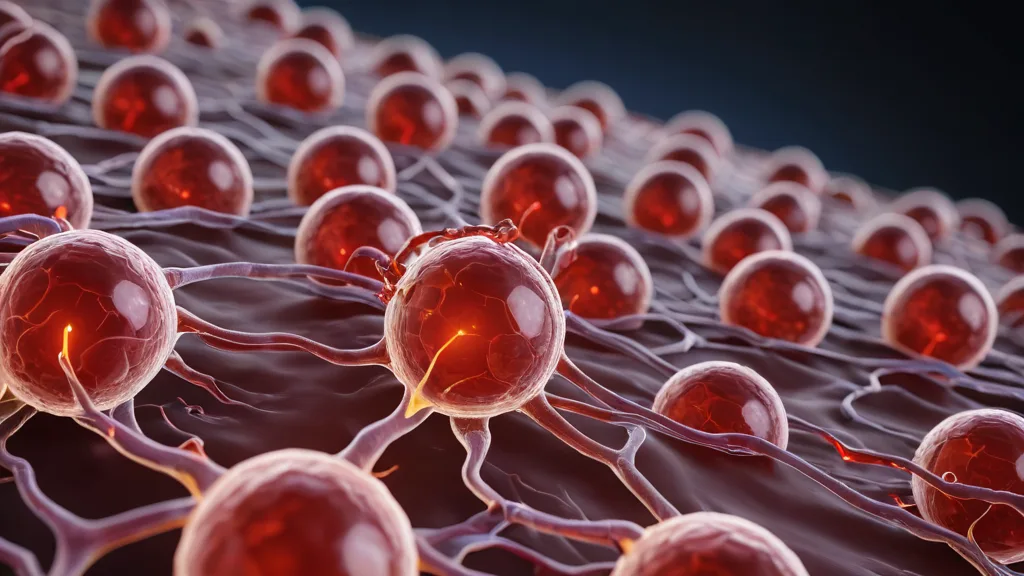
The “Total Cholesterol” figure reported in standard medical tests is not sufficient on its own to paint a complete picture of cardiovascular risk. What is truly decisive is the number and size of LDL particles (the ApoB and LDL-P fractions). Small, dense LDL particles are far more prone to oxidation (ox-LDL) as they penetrate through the vascular endothelium into the subendothelial space. HDL, on the other hand, provides a protective mechanism by collecting excess cholesterol from the vessel wall and transporting it back to the liver (reverse cholesterol transport).
2. Seven Proven Ways to Optimize Cholesterol Through Nutrition
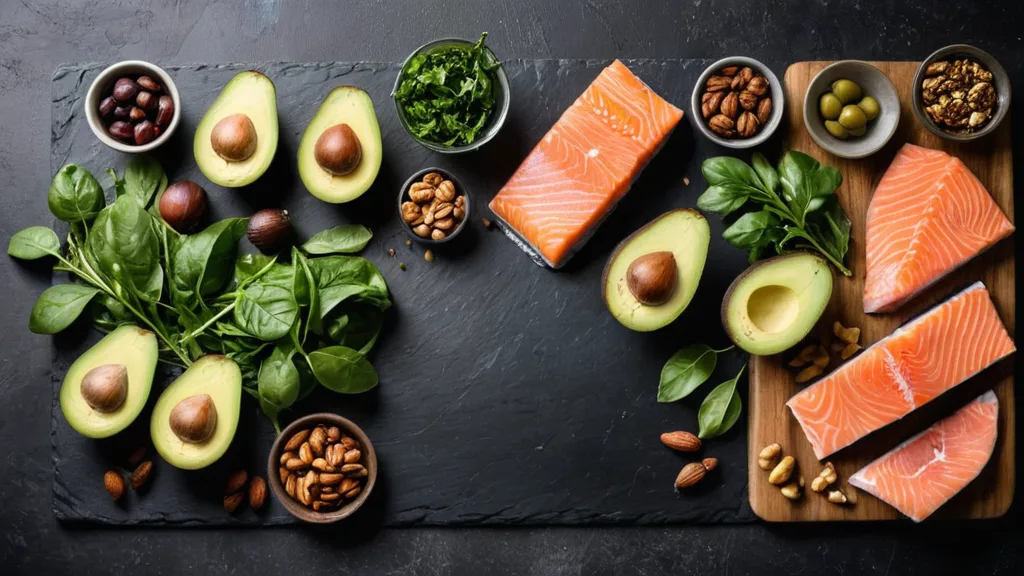
- Increase Soluble Fiber Intake:
- Prioritize Monounsaturated Fatty Acids:
- Resetting Trans Fats and Industrial Seed Oils:
- Omega-3 Fatty Acids (EPA/DHA):
- Plant Sterols:
- Refined Sugar and Fructose Restriction:
- Intermittent Fasting and Metabolic Flexibility:
3. Clinical Follow-Up: Which Parameters Should Be Monitored?
In clinical evaluation, one should not rely solely on a standard lipid panel; systemic inflammation markers such as the triglyceride/HDL ratio (ideally below 2), high-sensitivity CRP (hs-CRP), and fasting insulin should be assessed together. The primary driver of arterial stiffness is not elevated cholesterol but rather oxidized lipid deposits on a background of vascular inflammation.


4. Lifestyle and Exercise: The Enzymatic Power
At least 150 minutes of moderate-intensity aerobic exercise or resistance training per week accelerates Lipoprotein Lipase (LPL) enzyme activity. This increases the clearance of circulating atherogenic particles in the blood while providing a sustained rise in protective HDL levels.

5. Comparative Lipid and Biomarker Reference Table
| Biomarker | Traditional December | Optimal / Functional Range | Clinical Risk Meaning |
|---|---|---|---|
| ApoB (Apolipoprotein B) | < 100 mg/dL (below 100 mg/dL) | < 80 mg/dL (high risk < 60 mg/dL) | The clearest indicator of the total number of atherogenic particles in circulation |
| Triglyceride / HDL Ratio | < 3.0 (under 3.0) | < 1.5 – 2.0 (Ideal: 1.0) | Direct indicator of insulin resistance and the presence of small dense LDL (sdLDL) |
| hs-CRP (Inflammation) | < 3.0 mg/L (below 3.0 mg/L) | < 0.8 mg/L (Minimum inflamasyon) | Endothelial injury and risk of intravascular plaque instability |
| Lp(a) – Lipoprotein(a) | < 30 mg/dL (below 30 mg/dL) | < 20 mg/dL (Low genetic risk) | Genetik geçişli bağımsız tromboz ve kardiyovasküler risk faktörü |
6. Frequently Asked Questions (FAQ)
Does eating eggs raise cholesterol? Cholesterol from dietary sources does not affect blood cholesterol levels as dramatically as one might expect in most people. About 80% of the cholesterol in the body is produced endogenously by the liver. Saturated fat and refined carbohydrate intake are far more influential than dietary cholesterol.
Is High Cholesterol Seen in Weak People? Yes. High LDL levels can also be seen in individuals with a low body fat ratio who have a “Lean Mass Hyper-Responder” (LMHR) metabolic profile, as well as in those with genetic factors such as familial hypercholesterolemia.
Can cholesterol be lowered without statins? In mild to moderate lipid imbalances, soluble fiber, a Mediterranean-style diet, weight training, and omega-3 supplementation can achieve a 15-25% reduction in LDL. However, in advanced atherosclerosis, a physician’s recommendation is essential.
Which oils should absolutely not be consumed? Frying oils that have been repeatedly heated, industrial margarines, and hydrogenated vegetable oils containing trans fatty acids directly damage the vascular endothelium.
What should be considered before having a cholesterol test done? Fasting for at least 10-12 hours is required. Heavy alcohol consumption and intense exercise should be avoided for 48 hours before the test.
7. Sonuç ve Klinik Değerlendirme
Cardiovascular protection is not a mechanical process limited to lowering a single number. Preserving vascular endothelial function, suppressing systemic inflammation, and supporting cellular mitochondrial health are all achievable through a holistic approach. The right nutritional choices, combined with regular physical activity, have the power to change metabolic destiny even in individuals with genetic predisposition.
Bu gelişme hakkında düşüncelerinizi, donanım deneyimlerinizi veya sorularınızı Community Forumumuzda paylaşın.
Foruma Katıl & Yanıtla ➔






















READER COMMUNITY
0 reviews
You may share your experiences; please consult a healthcare professional instead of comments for diagnosis, treatment, or emergencies.