
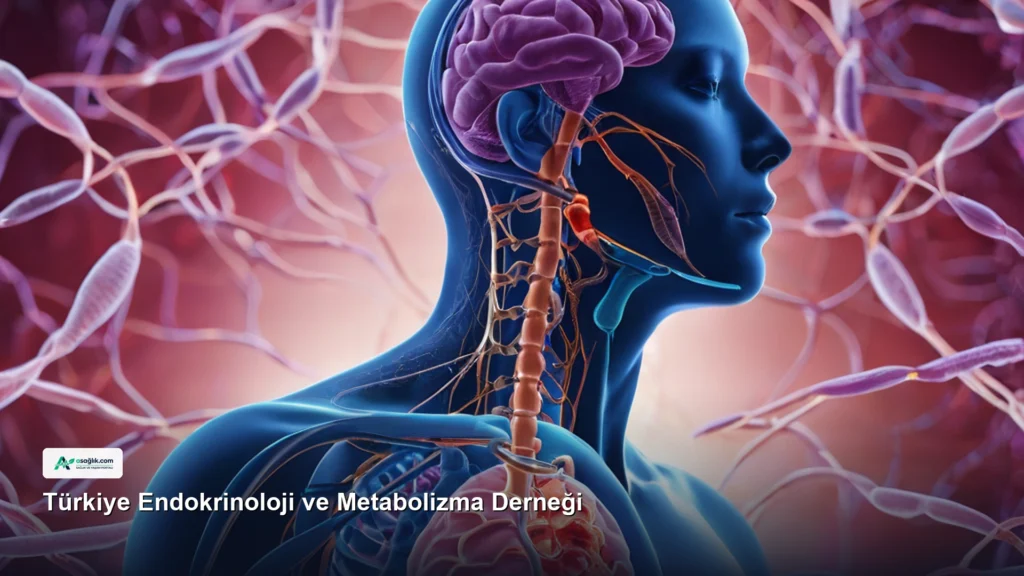
Endocrinology: The Scientific Mechanisms of Hormones and the Depths of Systemic Regulation
Endocrinology emerges as a discipline bridging medicine and the basic sciences, studying the biology of chemical messengers that maintain the internal environment balance (homeostasis) of living organisms. This field does not limit itself to merely measuring the concentrations of hormones in circulation; it also aims to unravel the complex signaling networks that extend from receptor interactions in target cells to transcription mechanisms regulating gene expression. Understanding the central role of hormonal systems in human physiology sheds light on a broad clinical spectrum, from metabolic diseases to reproductive disorders, from growth pathologies to psychoneuroendocrine interactions.
The Conceptual Foundations and History of Endocrinology
The endocrine system is based on the principle that chemicals secreted by glands are transported through the bloodstream to distant target tissues. This definition was first formulated by William Bayliss and Ernest Starling in 1905, and the term “hormone” was introduced into the literature as a concept describing this function. The discovery of hormones has revealed how different chemical communication is from the electrical conduction of the nervous system: the hormonal signal begins more slowly, but its effect lasts much longer and can spread throughout the entire body.

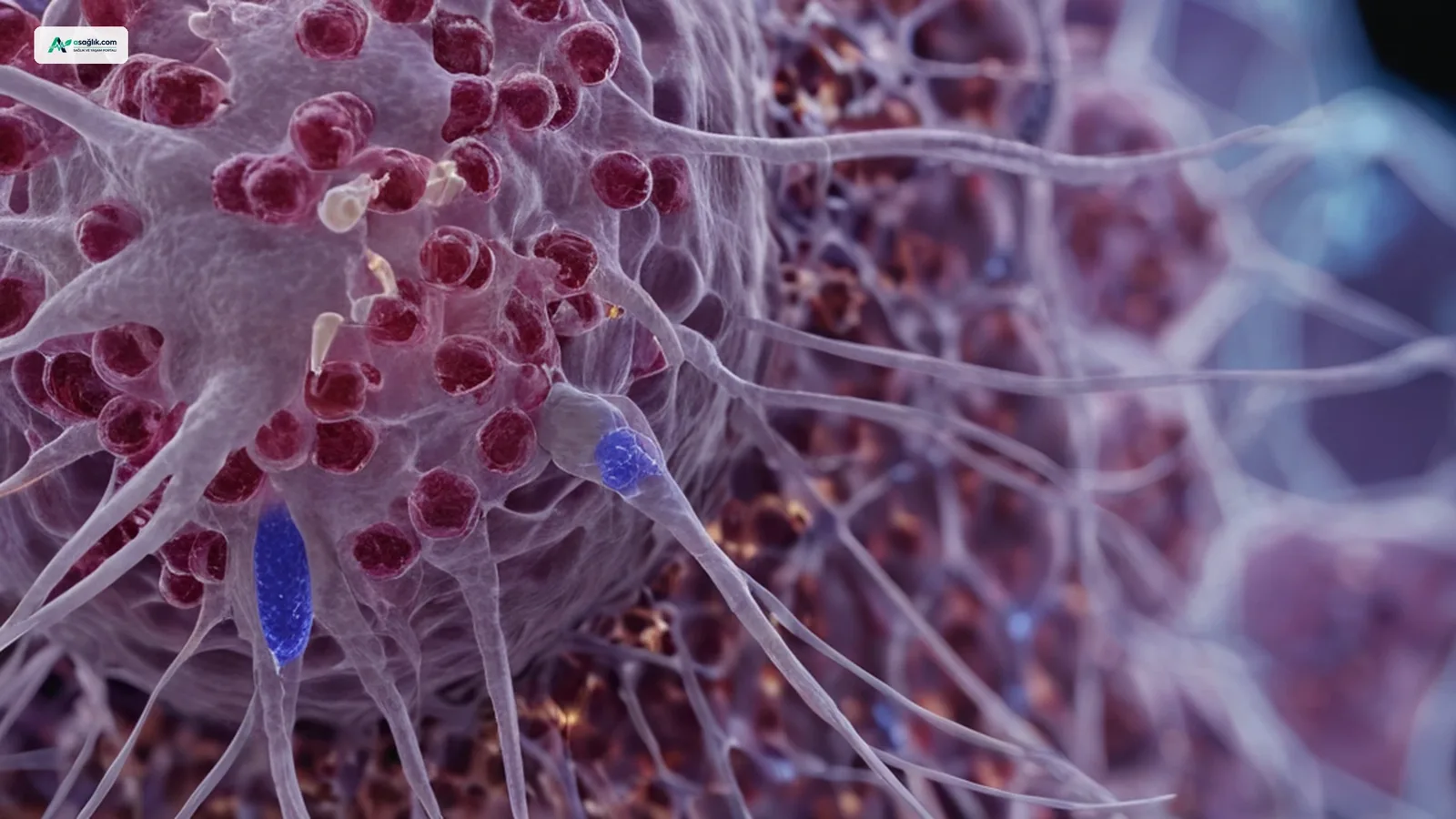
Modern endocrinology is divided into three main subfields. examines the structure and function of specialized hormone-secreting glands (thyroid, adrenal, pituitary, pancreas), while the section studies the effects of these hormones on energy production, nutrient utilization, and cellular metabolism. At the intersection of these two fields lie common clinical concerns such as diabetes, osteoporosis, obesity, and thyroid pathologies.
Hormon Biyokimyası: Sınıflandırma ve Mekanizmalar
The chemical structures of hormones directly determine how they reach their intracellular targets. In this respect, hormones are divided into three major classes. Steroid hormones (cortisol, aldosteron, estradiol, testosterone) are cholesterol derivatives and, thanks to their lipophilic nature, easily cross the cell membrane; therefore, they find their receptors in the cytoplasm or nucleus. Catecholamines (adrenaline, noradrenaline), on the other hand, are water-soluble and bind to membrane surface G-protein-coupled receptors.

The third group, consisting of , includes molecules such as insulin, glucagon, and growth hormone; because these substances are water-soluble, they require carrier proteins in the plasma and interact with specialized receptors on the cell membrane. The lipophilic or hydrophilic nature of hormones forms the fundamental distinction in their mechanisms of action, since steroid hormones can directly regulate gene transcription, whereas peptide hormones accelerate responses through second messengers.
Hormonal Signal Transmission at the Cellular Level
A hormone’s target cell response depends on receptor affinity and the complexity of signaling pathways. In this process, plays a critical role: only hormones with a compatible structure can activate the corresponding receptor, ensuring the precise regulation of hormonal balance.
Second Messengers and Signal Cascades
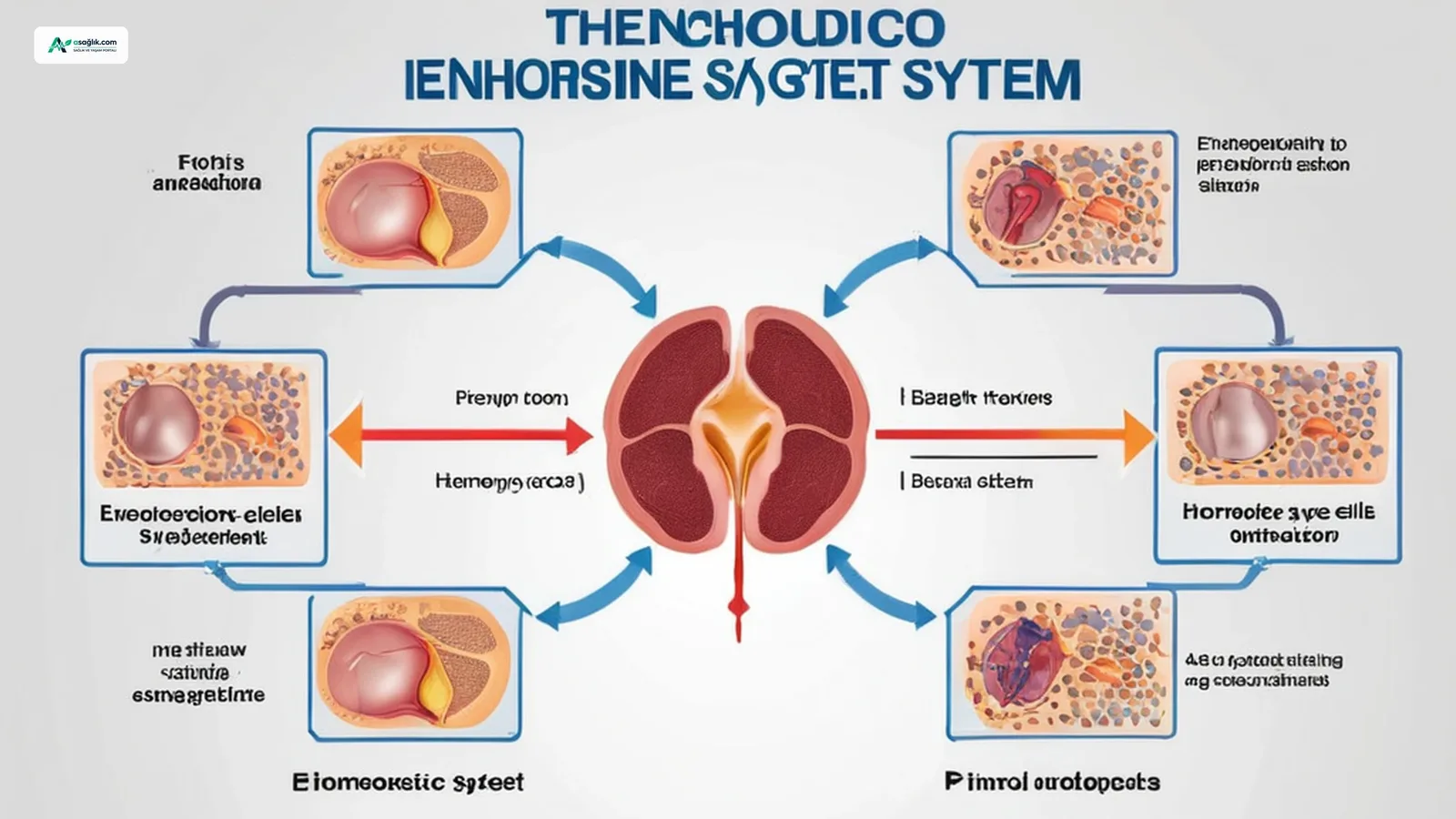
After peptide hormones bind to the cell membrane, the signal is amplified through the release of second messengers such as cAMP (cyclic adenosine monophosphate), calcium ions, or phosphoinositides within the cell. These molecules trigger enzyme cascades, enabling a single hormone binding event to be converted into hundreds of intracellular responses. For example, beta-adrenergic receptor activation stimulates the enzyme adenylate cyclase, raising cAMP levels, which in turn accelerates glycogen breakdown; this mechanism enables rapid energy release into the blood during stressful situations.
Nuclear Receptors and Gene Regulation
Steroid and thyroid hormones, upon entering the cell, bind to receptors within the nucleus and attach to , thereby directly increasing or decreasing the transcription of target genes. This process produces slower but more lasting effects and forms the basis of long-term physiological processes such as metabolic adaptation, growth, and development.
Central Regulation: The Hypothalamic-Pituitary Axis
The highest-level coordinator of the endocrine system is the . The hypothalamus bridges the nervous system and the endocrine system, transforming autonomic and behavioral stimuli into hormonal signals. This region regulates the gland through the release factors it secretes; the anterior pituitary, in turn, secretes trophic hormones (TSH, ACTH, LH, FSH) that control the thyroid, adrenals, and reproductive glands.
On this axis lies the most critical feedback mechanism: thyroxine (T4) and triiodothyronine (T3), secreted by the thyroid gland, cause a decrease in the release of thyroid-stimulating hormone (TSH) from the hypothalamus when they reach adequate levels. This negative feedback is one of the most fundamental physiological principles that maintain hormonal balance; it preserves homeostasis by preventing overactivation of the system.
Pituitary Gland: The Master Endocrine Gland
Posterior pituitary gland
Metabolic Endocrinology: Diabetes and Energy Balance
One of the most clinically active areas of endocrinology is . Beta cells located in the islets of Langerhans in the pancreas secrete insulin; this hormone lowers blood sugar by increasing glucose uptake in the liver, muscles, and fatty tissue. Conversely, glucagon, secreted by alpha cells, raises sugar by triggering glycogenolysis and gluconeogenesis when sufficient energy is not present in the blood. The disruption of the balance between these two hormones manifests as ; insulin resistance or its secretion insufficiency constitutes the fundamental pathophysiological mechanisms of the disease.
Insulin Resistance and Metabolic Syndrome
Modern lifestyle with increasing obesity plays a decisive role in the spread of type 2 diabetes by triggering . The reduced response of tissues to insulin forces the pancreas to work excessively, and over time the beta cells become exhausted. During this process, becomes an active endocrine organ that secretes inflammatory cytokines, deepening the metabolic disturbance; obesity is now considered not only an energy imbalance but also a hormonal disease.
Thyroid Function and Metabolic Acceleration
The thyroid gland
Reproductive Endocrinology: The Role of Sex Hormones
Luteinizing hormone (LH)follicle-stimulating hormone (FSH)
The Clinical and Sectoral Dimensions of Endocrinology
Modern endocrinology advances across a broad spectrum, from diagnosis to treatment. techniques range from rare genetic syndromes to the differential diagnosis of thyroid nodules, while imaging methods facilitate the detection of gland pathologies. In terms of treatment approach, hormone replacement therapy (such as levothyroxine), insulin therapy, and targeted biomolecules are included.
In recent years, new-generation treatment approaches such as have improved metabolic control in type 2 diabetes management. Incretin-based medications, such as GLP-1 receptor agonists, target both glucose balance and weight management simultaneously. These developments demonstrate that endocrinology has become not only about hormone measurement but also a holistic approach aimed at improving the patient’s quality of life.
OsteoporosisGaucher disease
Academic Assessment and Citation
Endocrinology should be regarded as a complex web of chemical communication deeply intertwined with neurophysiology; the system’s delicate feedback mechanisms play a fundamental role in maintaining homeostasis. Biochemical processes spanning from receptor-level interactions of hormones to nuclear regulation are indispensable for understanding the molecular foundations of diseases. Recent advances in the field of metabolic endocrinology (such as the reevaluation of insulin resistance as an inflammatory condition) reveal the dynamic and continuously evolving nature of the discipline.
参考文献:
– Berne & Levy Physiology — Endocrinology sections; Elsevier editions.
– Williams Textbook of Endocrinology, 14th edition, Elsevier.
– Bayliss WM, Starlight ES (1902). “The enterocrine function of the pancreas.” Journal of Physiology.
– Guyton & Hall Medical Physiology — Metabolic and Endocrine Regulation sections.
– Turkish Society of Endocrinology and Metabolism (TEMD) guidelines; temd.org.tr archive record, accessed: web.archive.org/web/20261012133748.
Note: This article is intended for educational and academic purposes; for clinical decisions, please consult current guidelines and expert physician opinions.
Kaynak Notu: This work has been updated using archived data from http://temd.org.tr/ and compiled in an academic format.
Bu gelişme hakkında düşüncelerinizi, donanım deneyimlerinizi veya sorularınızı Community Forumumuzda paylaşın.
Foruma Katıl & Yanıtla ➔






















読者コミュニティ
0 件のレビュー
ご自身の体験を共有できます。診断、治療、緊急事態についてはコメント欄ではなく医療専門家にご相談ください。